

Who Needs an Advance Health Care Directive and a Durable Power of Attorney in San Diego and throughout California?
Everyone. Every adult should consider having an Advance Health Care Directive and a Durable Power of Attorney as part of a comprehensive estate plan.

You do not have to be elderly, seriously ill, wealthy, or facing a medical procedure to need these important documents. An unexpected accident, sudden illness, medical emergency, or gradual decline in cognitive ability can leave anyone temporarily or permanently unable to make important decisions or communicate their wishes.
Who will speak with your doctors, make decisions about your medical treatment, manage your financial affairs, pay your bills, and protect your interests if you are unable to do these things yourself?

Many people assume their spouse, domestic partner, adult children, or closest family members will automatically have the legal authority to handle everything. Unfortunately, that is not necessarily true.
California law provides certain avenues for health care decisions when a patient cannot act, including recognition of appropriate surrogate decision-makers in specified circumstances. However, being married or related to someone does not automatically give you unrestricted authority over that person's medical decisions, financial accounts, property, and legal affairs.
An Advance Health Care Directive allows you to identify someone you trust to make medical decisions when authorized to do so and to document your wishes concerning medical treatment and care.
A properly prepared Durable Power of Attorney for financial matters allows you to authorize a trusted person to manage specified financial and legal responsibilities, including those that may become especially important during incapacity.
These documents address different responsibilities. They work together to protect you, preserve your choices, and provide important guidance and authority to the people you trust.

Without appropriate planning, your loved ones may encounter delays, uncertainty, disagreements, or the need to seek court intervention to obtain authority that could have been established in advance.
Janathan Allen and her firm work with individuals, couples, families, and business owners throughout San Diego to develop estate plans that address not only what happens after death, but also who will protect your interests and carry out your wishes while you are still alive.
The most important time to establish these protections is while you have the legal capacity to make your own decisions, select the people you trust, and clearly communicate your intentions.
What Is an Advance Health Care Directive in California?

An Advance Health Care Directive is a legal document that allows you to establish your wishes concerning medical treatment and appoint someone you trust to make health care decisions on your behalf when authorized to do so.
It gives you the opportunity to make important decisions about your medical care before an illness, injury, or other circumstance prevents you from communicating or making those decisions yourself.
An Advance Health Care Directive is not simply a document about dying. It is an important means of protecting your wishes and your ability to direct your medical care while you are alive.
Under California law, an Advance Health Care Directive can accomplish two important purposes:
-
Appoint a health care agent. You can select a trusted person to communicate with medical professionals and make health care decisions on your behalf within the authority you grant.
-
Provide instructions concerning medical treatment. You can document your preferences about medical procedures, life-sustaining treatment, pain management, comfort care, and other important health care decisions.
Your directive may address circumstances involving a temporary inability to communicate, a serious medical emergency, a progressive illness, or an end-of-life condition.
What Medical Decisions Can Your Advance Health Care Directive Address?
Depending upon your preferences and the authority you grant, your directive may address:
- Who you authorize to make medical decisions when you cannot make them yourself.
- Your preferences regarding resuscitation and life-sustaining medical treatment.
- The use of mechanical ventilation, artificial nutrition, and hydration.
- Pain management, comfort care, and other treatment preferences.
- Decisions concerning hospitals, physicians, and other health care providers.
- Access to medical information needed to make informed treatment decisions.
- Your wishes concerning organ and tissue donation and other matters permitted under California law.
You may also establish limitations on your agent's authority and provide guidance about circumstances in which you would accept or decline particular treatments.
Does Signing an Advance Health Care Directive Mean You Give Up Control of Your Medical Decisions?

No. Signing an Advance Health Care Directive does not, by itself, take away your right to make your own medical decisions.
As long as you have the capacity to make a particular health care decision, you generally retain the right to make that decision yourself.
Under California law, a health care agent's decision-making authority ordinarily becomes effective when your primary physician determines that you lack capacity to make health care decisions, unless your directive provides otherwise.
This distinction is important. Your directive is intended to protect your choices and provide a trusted decision-maker when needed—not unnecessarily surrender control over your medical care.
Is an Advance Health Care Directive the Same as a Living Will or Medical Power of Attorney?
California's Advance Health Care Directive can combine functions that people commonly associate with a living will and a medical power of attorney.
A living will generally communicates wishes concerning medical treatment.
A health care power of attorney appoints someone to make health care decisions.
In California, both functions can be included in a single Advance Health Care Directive.
That is why it is important to distinguish your Advance Health Care Directive from a separate Durable Power of Attorney for financial matters, which addresses authority over financial and legal responsibilities rather than medical treatment.
What Is a Durable Power of Attorney in California?

A Durable Power of Attorney is a legal document that allows you to appoint someone you trust to manage financial, property, and other legal matters on your behalf within the authority you grant.
It provides a means of protecting your financial interests and maintaining important responsibilities if an accident, illness, cognitive decline, or other circumstance prevents you from managing your affairs yourself.
The person you appoint is known as your agent, sometimes called your attorney-in-fact. Your agent does not have to be an attorney. This person may be your spouse, domestic partner, adult child, trusted family member, or another individual you believe has the judgment, integrity, and ability to manage these responsibilities.
Unlike an Advance Health Care Directive, which addresses medical decisions, a Durable Power of Attorney for financial matters addresses the management of your money, property, and legal affairs.
These two documents serve different purposes, and having one does not eliminate the need to consider the other.
What Financial and Legal Decisions Can Your Agent Make Under a Durable Power of Attorney?
The authority you grant can be broad or limited to specific responsibilities, depending upon your circumstances and the provisions of the document.
A properly prepared Durable Power of Attorney may authorize your agent to:
-
Manage bank accounts and financial transactions, including deposits, withdrawals, and payment of ordinary expenses.
-
Pay bills and meet financial obligations, including mortgages, rent, utilities, insurance premiums, and other ongoing expenses.
-
Manage real estate matters, including certain transactions involving property ownership, maintenance, leasing, or sale.
-
Address investment and retirement matters, subject to the specific authority granted and applicable legal requirements.
-
Handle tax-related responsibilities, including obtaining records, coordinating with tax professionals, and taking authorized actions concerning tax matters. Separate authorization may be required for representation before the IRS.
-
Manage business interests, including specified financial or administrative responsibilities associated with a business or professional practice.
-
Address insurance, benefits, and contractual matters within the powers granted.
-
Coordinate certain estate-planning transactions, when the document expressly grants the necessary authority and California law permits the proposed action.
Not every power is automatically included in a Durable Power of Attorney. Certain significant actions, such as making gifts, changing beneficiary designations, or creating or modifying trusts, may require specific authorization and are subject to additional legal limitations.
The objective is not necessarily to give someone unlimited control. It is to establish the authority necessary to protect your interests while defining appropriate boundaries and safeguards.
What Does "Durable" Mean in a Durable Power of Attorney?
The word "durable" has an important legal meaning.
An ordinary power of attorney may terminate when the person who created it becomes incapacitated. A Durable Power of Attorney is specifically designed so that the agent's authority can continue despite the principal's subsequent incapacity.
In California, a power of attorney must contain language establishing durability. Merely calling a document a power of attorney does not necessarily make it durable.
This distinction is particularly important for incapacity planning.
If you experience a stroke, serious injury, progressive dementia, or another condition that affects your ability to manage financial affairs, a properly drafted Durable Power of Attorney can allow your designated agent to continue acting within the authority you previously established.
When Does a Durable Power of Attorney Become Effective?
A Durable Power of Attorney may be structured to become effective immediately or upon the occurrence of a specified future event, such as a determination of incapacity.
An immediately effective Durable Power of Attorney allows your designated agent to exercise the granted authority while you still have capacity, subject to the document's terms. You generally retain the ability to manage your own affairs and make your own financial decisions.
A springing Durable Power of Attorney becomes effective only when the conditions specified in the document have been satisfied.
For example, you may prefer that your agent receive authority only after an appropriate determination that you are unable to manage your financial affairs.
However, springing authority can create practical complications. Financial institutions or other parties may require documentation establishing that the triggering condition has occurred before accepting instructions from your agent.
The appropriate approach depends upon your circumstances, the people you trust, your financial arrangements, and the safeguards you wish to establish.
Janathan Allen and her firm can help you evaluate these choices and develop a Durable Power of Attorney that reflects your intentions while addressing the practical realities your agent may encounter.
Does Signing a Durable Power of Attorney Mean You Give Up Control of Your Finances?

No. Signing a Durable Power of Attorney does not, by itself, mean you surrender ownership of your property or lose the right to manage your own financial affairs.
If the document grants immediate authority, your agent may be able to act on your behalf, but that authority generally exists alongside your own ability to manage your affairs while you retain capacity.
Your agent also has legal responsibilities. An agent acting under a Durable Power of Attorney must comply with applicable fiduciary duties, act within the authority granted, and avoid improperly using your property for personal benefit.
This is why choosing the right person, establishing appropriate limitations, and carefully considering the scope of authority are essential parts of preparing the document.
Why Do You Need a Durable Power of Attorney if You Already Have a Living Trust?

A revocable living trust and a Durable Power of Attorney perform different functions.
Your successor trustee generally has authority over property held in the trust, according to the trust's terms and applicable law.
However, not every financial or legal responsibility is necessarily controlled by your living trust.
You may have individually owned assets, retirement accounts, tax obligations, insurance matters, business interests, or other financial responsibilities requiring action by someone with authority outside the trustee's role.
A properly coordinated Durable Power of Attorney can address responsibilities that your successor trustee may not have authority to handle.
For this reason, a Durable Power of Attorney is often an essential companion to a revocable living trust and other components of a comprehensive estate plan.
The goal is to ensure that your chosen representatives have the appropriate legal authority to address both your trust-related responsibilities and your other financial affairs if you become unable to act for yourself.
Does a Durable Power of Attorney Continue After Death?
No. Authority under a Durable Power of Attorney terminates upon the principal's death, subject to limited statutory protections concerning actions taken without knowledge of the death.
After death, responsibility for managing and distributing assets generally passes to the appropriate successor trustee, personal representative, or other legally authorized person, depending upon how the assets are owned and the estate plan is structured.
A Durable Power of Attorney is intended to protect your financial and legal interests during your lifetime. Your will, trust, beneficiary designations, and other estate-planning arrangements address what happens to your property after death.
This is another reason these documents should be developed as coordinated parts of an overall estate plan rather than prepared independently without considering how they work together.
You Need Experienced San Diego Estate Planning Attorney
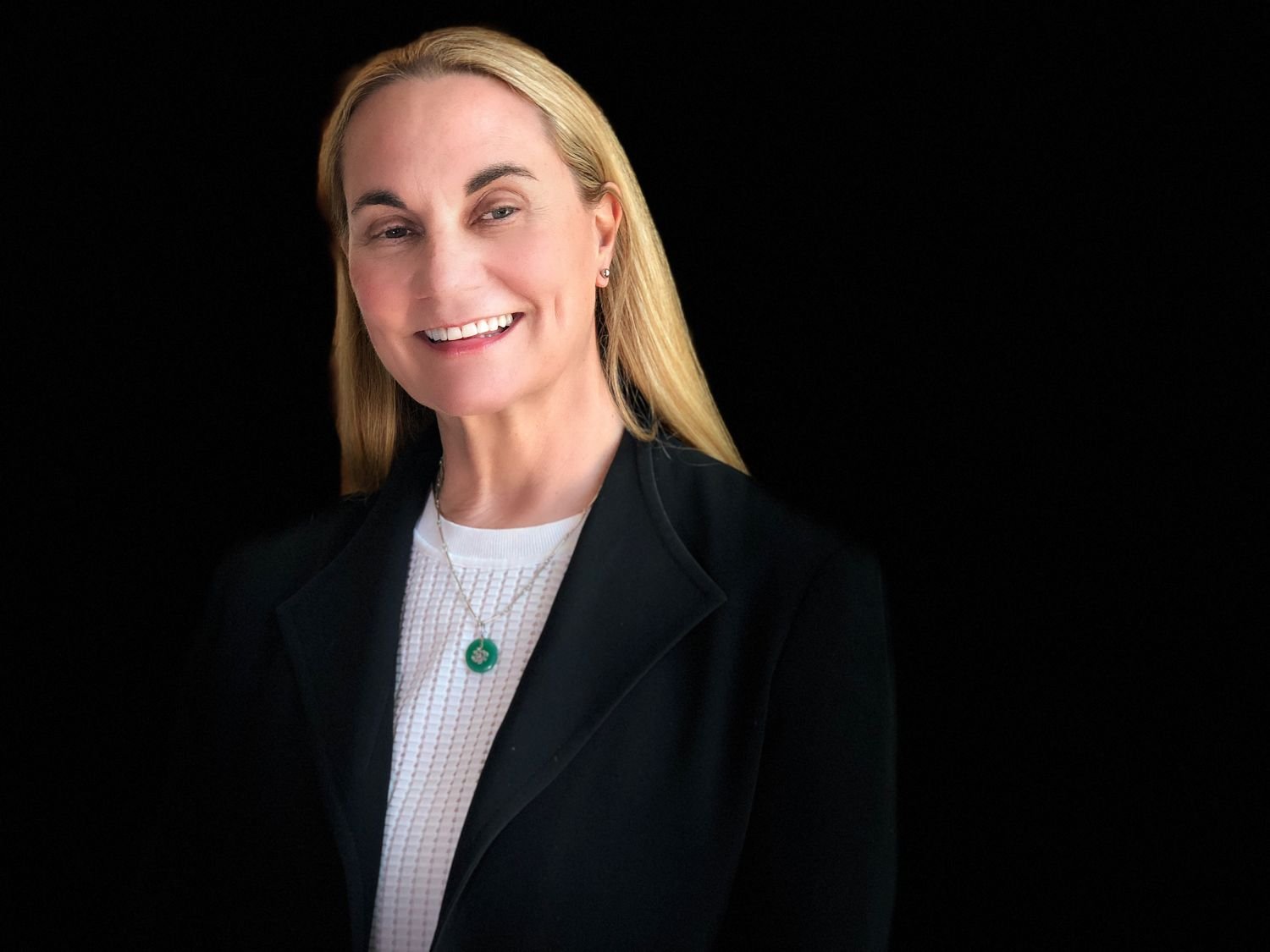 Janathan L. Allen has decades of experience advising individuals, couples, families, and business owners on important legal and financial matters, including estate planning, revocable living trusts, Advance Health Care Directives, Durable Powers of Attorney, and planning for incapacity.
Her experience encompasses proactive estate planning and the coordination of legal, financial, and personal interests, helping clients establish clear instructions, select trusted decision-makers, protect their assets, and provide for the people who depend upon them.
The initial consultation is a substantive, confidential discussion designed to help you understand your options, identify potential gaps in your existing estate plan, and determine how an Advance Health Care Directive and Durable Power of Attorney can protect your wishes, your financial interests, and your loved ones if you become unable to make important decisions for yourself.
You are invited to engage the chat module on this page, contact Allen Barron, or call (866) 631-3470 to schedule a free, substantive consultation.
Learn more about Janathan L. Allen, APC and Allen Barron’s integrated estate planning, tax, legal, accounting and business consulting services and how an integrated approach may help identify risk, protect assets, reduce unnecessary exposure, and support your long-term health, personal, and family objectives.