








What Is the Most Important Thing You Need to Know Right Now?
 Many people believe estate planning is something that can be postponed until retirement, a health event, or some future stage of life. In reality, the best time to plan is before a crisis, illness, disability, business transition, or unexpected life event occurs.
Estate planning is not simply about what happens after death. It is about maintaining control while you are alive, protecting the people you care about, preserving the assets you have worked to build, and creating clear instructions for those who may one day need to act on your behalf.
Without proper planning, families may face unnecessary probate expenses, delays, taxes, uncertainty, and conflict at the very moment they are least prepared to deal with them.
Many California homeowners are surprised to learn that probate fees are based upon the value of an asset, not the equity in that asset.
With the median price of an existing single-family home in San Diego County now exceeding $1 million, the probate fees associated with an average house alone will be $50,000 to $60,000 or more.
The probate process can also delay the transfer of assets for a year or longer while the estate moves through the court system.
For most families, the cost of creating a comprehensive estate plan is only a small fraction of the potential costs, delays, and complications associated with probate.
The good news is that effective estate planning is not reserved for the wealthy or those with complicated financial affairs. Thoughtful planning can benefit homeowners, parents, business owners, blended families, retirees, and individuals with international assets or investments.
The earlier planning begins, the more options are generally available to protect and preserve assets, minimize taxes and expenses, and ensure your wishes can be carried out as intended.
Common Estate Planning Questions

Do I Need a Trust or Is a Will Enough?
For many California families, a trust provides benefits that a will alone cannot. A properly funded trust can help avoid probate, maintain privacy, provide continuity during incapacity, and facilitate a more efficient transfer of assets to loved ones.
Is Estate Planning Only for Wealthy Individuals?
No. Estate planning can benefit homeowners, parents, business owners, blended families, retirees, and individuals with international assets or investments. For many California families, the value of a home alone may create estate planning concerns that should not be ignored.
What Is the Primary Goal of Estate Planning?
The primary goals of estate planning are to protect and preserve assets, provide for the people you care about, minimize unnecessary taxes and expenses, and create a clear plan for the management and transfer of assets in the future.
I Need an Estate Plan

Most people do not begin looking for an estate plan because they want a trust. They begin because they have reached a point in life where they want to protect their family, preserve their assets, and create a clear plan for the future.
Perhaps you recently purchased a home. Perhaps you have children or grandchildren. Perhaps your assets, business interests, or financial responsibilities have grown over time. Whatever the reason, estate planning provides an opportunity to establish clear instructions for the management and transfer of assets while protecting the people you care about.
Many California families are surprised to learn that probate fees are generally based upon the value of an asset, not the equity in that asset. With the median price of a home in San Diego County now exceeding $1 million, probate expenses associated with a home alone can easily exceed $50,000 to $60,000 while delaying the transfer of assets for a year or longer.
If you arrived directly at this section from the top of the page, it may be helpful to first review the basic concepts of estate planning, including the role of trusts, wills, powers of attorney, and advance health care directives.
What matters now is understanding how your assets are currently held, who you want to protect, what goals you want to accomplish, and whether your current planning is sufficient to protect and preserve those interests while minimizing unnecessary taxes, expenses, and complications.
The Next Action Step: Gain insight and guidance through a complimentary and substantive consultation. We invite you to engage the chat module on this page, contact Allen Barron, or call 866-631-3470 to schedule your free consultation and begin the process of understanding your options, evaluating available planning strategies, and protecting the people and assets that matter most.
Helpful Next Steps
→ Revocable Trusts
→ Why Should a San Diego Estate Plan include a Trust?
→ Updating Your Living Trust?
→ Asset Protection Planning
→ Estate Planning for a Blended Family
I Need to Review or Update an Existing Estate Plan
Many people assume that once a trust or estate plan has been created, the work is finished. In reality, estate plans should evolve as life changes. Marriages, divorces, births, deaths, business interests, retirement, significant changes in assets, and changes in tax law can all affect whether an existing plan continues to accomplish its intended purpose.
An outdated estate plan may no longer reflect your wishes, provide the protections you intended, or account for changes in your family, financial circumstances, or future goals. In some cases, assets acquired after the creation of a trust may not be properly titled or integrated into the existing plan.
If you arrived directly at this section from the top of the page, it may be helpful to first review the basic concepts of estate planning, trusts, and probate avoidance before evaluating whether your current plan remains appropriate.
What matters now is determining whether your existing estate plan still reflects your wishes, whether your assets are properly structured and protected, and whether changes in your family, business interests, or financial circumstances create a need for updates or additional planning.
The Next Action Step: Gain insight and guidance through a complimentary and substantive consultation. We invite you to access our chat module, Schedule Your Complimentary Consultation, or call (866) 631-3470 to begin the process of reviewing your current estate plan, identifying potential gaps, and evaluating available strategies to protect your family and preserve your assets.
Helpful Next Steps
→ Updating Your Living Trust
→ How Often to Review Your Trust and Estate Plan?
→ Create a New Trust or Update an Existing Estate Plan
→ Is It Time to Update Your Estate Plan or Trust?
→ How Often Should You Adjust and Update Your Trust in California?
I Own a Business
For many business owners, the business itself becomes one of their most valuable assets. Yet while considerable time and effort are invested in growing the business, far fewer owners devote the same attention to protecting it, transitioning it, or integrating it into a comprehensive estate plan.
Business ownership creates planning challenges that extend beyond traditional estate planning. Succession planning, retirement, ownership transfers, tax considerations, business continuity, and asset protection often require careful coordination between estate planning, tax planning, and business advisory services.
Whether your intention is to transfer the business to family members, sell the company in the future, protect key assets, or ensure continuity in the event of death or incapacity, proactive planning can help preserve value while reducing risk and unnecessary tax exposure.
If you arrived directly at this section from the top of the page, it may be helpful to first review the role estate planning plays in protecting business owners, their families, and the assets they have worked to build.
What matters now is understanding how the business is structured, how ownership is held, what your long-term goals are, and whether your current planning adequately protects both your personal and business interests.
The Next Action Step: Gain insight and guidance through a complimentary and substantive consultation. We invite you to access our chat module, Schedule Your Complimentary Consultation, or call (866) 631-3470 to begin the process of evaluating your current structure, identifying opportunities to protect assets, reduce risk, and align your business and estate planning objectives.
Helpful Next Steps
→ Estate Planning for Small Business Owners
→ Tax and Estate Planning for Small Business Owners and S Corporations
→ Trust and Estate Planning for Business Owners
→ Asset Protection
→ Business Succession Planning
I Am Planning for Retirement, Succession, or the Future Sale of My Business
Many business owners spend years, and often decades, building a successful company. Yet one of the most important questions frequently remains unanswered: What happens when it is time to step away?
Whether your goal is retirement, transferring ownership to family members, selling the business to a third party, or preparing the next generation of leadership, the transition of a business requires thoughtful planning. The decisions made years before a transition often have a significant impact on business value, tax consequences, continuity, and the long-term financial security of the owner and their family.
Business succession planning involves much more than selecting a successor. Ownership structures, buy-sell agreements, tax strategies, key employees, asset protection, and estate planning considerations should all work together to support your long-term objectives.
If you arrived directly at this section from the top of the page, it may be helpful to first review how estate planning and business succession planning work together to protect both the business and the people who depend upon it.
What matters now is determining your long-term goals, evaluating the current structure of the business, understanding potential tax implications, and developing a strategy that protects the value you have worked so hard to create.
The Next Action Step: Gain insight and guidance through a complimentary and substantive consultation. We invite you to access our chat module, Schedule Your Complimentary Consultation, or call (866) 631-3470 to begin the process of evaluating succession options, preserving business value, minimizing unnecessary tax exposure, and preparing for a successful transition.
Helpful Next Steps
→ Business Succession Planning
→ Success Is Built Into Business Succession
→ Estate Planning for Small Business Owners
→ Tax and Estate Planning for Small Business Owners and S Corporations
→ Trust and Estate Planning for Business Owners
I Have a Blended Family
Second marriages and blended families often create estate planning challenges that traditional estate plans were never designed to address. Spouses, children from prior relationships, stepchildren, grandchildren, and evolving family dynamics can create competing interests that require thoughtful planning and clear instructions.
Many people entering a second marriage assume their assets will ultimately pass according to their wishes. Unfortunately, without proper planning, the outcome may be very different than intended. Decisions involving the family home, retirement accounts, business interests, inheritances, and beneficiary designations can have significant consequences for both a surviving spouse and children from a prior relationship.
Estate planning for a blended family is not about choosing one family member over another. It is about creating clarity, protecting relationships, preserving assets, and ensuring your wishes can be carried out as intended.
If you arrived directly at this section from the top of the page, it may be helpful to first review the role trusts and estate planning strategies play in balancing the interests of spouses, children, and future beneficiaries.
What matters now is understanding your family structure, identifying the people you want to protect, evaluating how assets are currently held, and ensuring your estate plan reflects both your wishes and the realities of your family circumstances.
The Next Action Step: Gain insight and guidance through a complimentary and substantive consultation. We invite you to access our chat module, Schedule Your Complimentary Consultation, or call (866) 631-3470 to begin the process of evaluating your current plan, identifying potential conflicts, and developing strategies that protect both your family and your assets.
Helpful Next Steps
→ Estate Planning for a Blended Family
→ Remarriage and a Blended Family: It’s Time for a New or Updated Estate Plan
→ Blended Families Require Careful Trust and Estate Planning
→ Revocable Trusts
→ Updating Your Living Trust
I Want to Protect Assets and Preserve Wealth
Building wealth often requires years of hard work, disciplined investing, successful business ownership, and thoughtful financial decisions. Protecting those assets requires the same level of attention and planning.
Asset protection planning focuses on reducing risk, preserving wealth, and creating appropriate legal structures to protect assets from future claims, liabilities, unnecessary taxation, and other threats. Effective planning often involves the careful coordination of trusts, business entities, estate planning strategies, and tax planning considerations.
Many people assume asset protection is only necessary for the ultra-wealthy. In reality, business owners, real estate investors, professionals, retirees, and families with substantial assets all have legitimate reasons to evaluate how their assets are held and whether additional protections may be appropriate.
If you arrived directly at this section from the top of the page, it may be helpful to first review the role trusts, business entities, and estate planning strategies play in protecting and preserving assets over time.
What matters now is understanding what assets you own, how those assets are currently structured, where potential risks exist, and whether your present planning adequately protects the wealth you have worked so hard to build.
The Next Action Step: Gain insight and guidance through a complimentary and substantive consultation. We invite you to access our chat module, Schedule Your Complimentary Assessment, or call (866) 631-3470 to begin the process of evaluating your current asset protection strategies, identifying potential vulnerabilities, and exploring available options to protect and preserve your wealth.
Helpful Next Steps
→ Asset Protection
→ Do You Need an Asset Protection Strategy?
→ Irrevocable Trust
→ When to Use an Irrevocable Trust in Your Estate Plan
→ Charitable Trusts
I Have International Assets, Investments, or Business Interests
Foreign real estate, investment accounts, business ownership, trusts, and cross-border financial interests often create planning challenges that extend beyond traditional estate planning. These assets may be subject to unique ownership, reporting, tax, succession, and inheritance considerations in multiple jurisdictions.
Many individuals assume international assets simply become part of their estate plan. In reality, the way foreign assets are held, transferred, inherited, or sold can have significant implications for taxation, reporting obligations, asset protection, and the efficient transfer of wealth to future generations.
International estate planning frequently requires coordination between estate planning, tax planning, business advisory, and international reporting requirements. This is especially important for U.S. expatriates, dual citizens, business owners with foreign interests, and families with assets or beneficiaries located outside the United States.
If you arrived directly at this section from the top of the page, it may be helpful to first review how trusts, ownership structures, international tax rules, and estate planning strategies work together to protect assets while minimizing unnecessary tax exposure and administrative complications.
What matters now is understanding what international assets you own, how those assets are presently structured, where potential reporting and tax obligations exist, and whether your current estate plan adequately protects those interests while preserving flexibility for future generations.
The Next Action Step: Gain insight and guidance through a complimentary and substantive consultation. We invite you to access our chat module, Schedule Your Complimentary Assessment, or call (866) 631-3470 to begin the process of evaluating your international assets, identifying potential planning opportunities, and developing strategies to protect and preserve your wealth while minimizing unnecessary taxation.
Helpful Next Steps
→ Estate and Tax Planning for U.S. Expatriates
→ Offshore Real Estate Ownership and Tax Reporting Requirements
→ Offshore Real Estate Ownership
→ International Tax Planning
→ Does Your Domestic Entity Have Foreign Assets?
I Have Been Named Trustee or Executor
Being named as a trustee or executor is both an honor and a significant responsibility. Trustees and executors are entrusted with managing assets, protecting the interests of beneficiaries, complying with legal requirements, and carrying out the wishes of the person who created the trust or estate plan.
Many people are surprised to learn that serving as a trustee or executor involves more than simply distributing assets. Fiduciary duties may include identifying and protecting assets, managing investments, paying debts and taxes, maintaining accurate records, communicating with beneficiaries, and making decisions that affect the financial interests of others.
Trustees and executors can be held personally responsible for mistakes, breaches of fiduciary duty, improper distributions, or failures to comply with applicable legal requirements. Understanding your responsibilities and obtaining appropriate guidance can help protect both the estate and your own interests.
If you arrived directly at this section from the top of the page, it may be helpful to first review the role trusts and estate administration play in the management and transfer of assets after death or incapacity.
What matters now is understanding the scope of your responsibilities, identifying any immediate obligations, ensuring assets are properly managed and protected, and developing a clear process for carrying out your duties in accordance with the law and the terms of the trust or estate plan.
The Next Action Step: Gain insight and guidance through a complimentary and substantive consultation. We invite you to access our chat module, Schedule Your Complimentary Assessment, or call (866) 631-3470 to begin the process of understanding your fiduciary obligations, protecting the interests of beneficiaries, and reducing the risk of personal liability.
Helpful Next Steps
→ Responsibilities of Trustees and Executors
→ Who Pays an Executor’s Legal Fees?
→ Are Executors Personally Liable for Their Work on a San Diego Estate?
→ Updating Your Living Trust
→ The Prudence of Estate Planning
Why Experience Matters in Estate Planning
 Tax matters often become more difficult when early decisions are made without understanding the full legal, financial, accounting, and regulatory consequences. A notice may appear routine. A reporting issue may seem minor. A business transaction may appear straightforward. An international investment may appear properly documented in another country. However, each of these situations can create exposure if the wrong information is provided, the wrong position is taken, or the broader implications are not evaluated before action is taken.
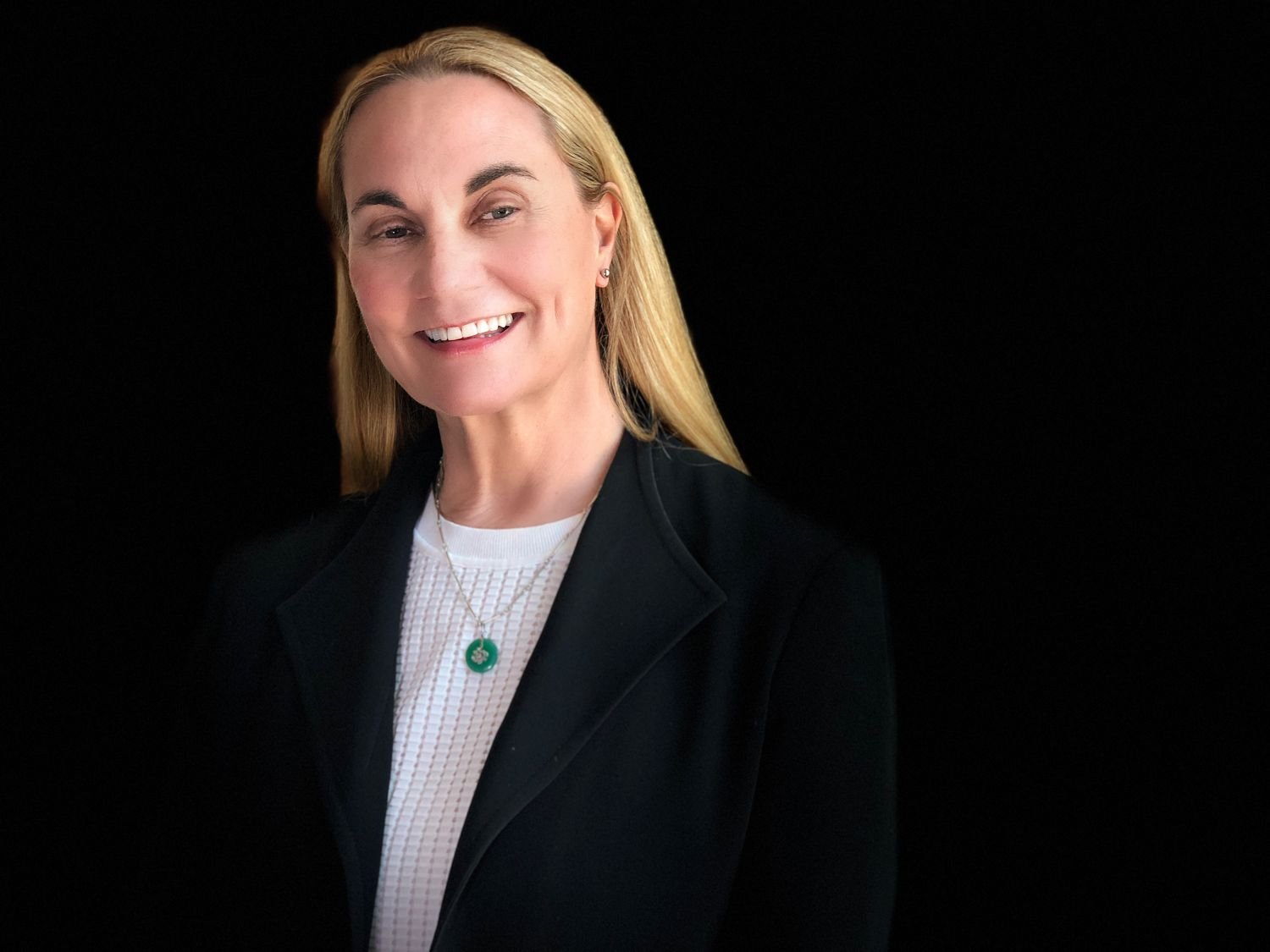
Experience matters because significant tax issues require more than technical knowledge. They require judgment, pattern recognition, familiarity with tax agency procedures, and an understanding of how tax, legal, accounting, estate planning, and business considerations affect one another. Allen Barron, Inc. and Janathan L. Allen, APC provide integrated guidance designed to help clients understand the issue, evaluate available options, and make informed decisions before avoidable consequences become more difficult to manage.
How do the integrated services (legal, tax, accounting, business advisory services) enhance the client’s experience of estate planning at Allen Barron?
One of the advantages of working with Janathan L. Allen and the team at Allen Barron is the ability to evaluate estate planning decisions through multiple professional disciplines at the same time. Estate plans often intersect with tax planning, business ownership, retirement planning, investment assets, international holdings, accounting considerations, and succession objectives.
Rather than addressing each issue in isolation, Allen Barron integrates legal, tax, accounting, and business advisory perspectives into the planning process. This coordinated approach helps identify opportunities, reduce the risk of unintended consequences, improve communication between advisors, and create strategies that are more consistent with the client’s overall financial, family, and business objectives in a more cost-efficient and timely manner.
We invite you to access our chat module, Schedule Your Complimentary Assessment, or call (866) 631-3470 to begin the process of estate planning and the protection all you’ve worked so hard to build, as well as those you love and care about most.
Attorney-Client Privilege and Confidential Guidance
Question: What Is the Attorney-Client Privilege?
Answer:
The attorney-client privilege is a legal protection that generally shields confidential communications between a client and their attorney when those communications are made for the purpose of seeking or providing legal advice.
 This protection can become critically important in tax matters involving audits, reporting issues, financial exposure, investigations, disputes, or government inquiries.
The flat fact is this:
The IRS and other tax authorities can subpoena records, notes, emails, text messages, correspondence, working papers, and communications from your CPA, tax preparer, bookkeeper, financial advisor, or other third party.
Anything shared with them may potentially become evidence, and used against your interests.
That is one of the central protections provided by the attorney-client privilege. The modern day version of a strong castle surrounded by a moat.
When meaningful financial exposure, reporting issues, audits, investigations, or potential disputes exist, the distinction between legal counsel and non-privileged advisors can become extremely important.
Why Integrated Estate Planning, Legal, Tax, Accounting, and Business Advisory Services Matter

An attorney may focus on legal documents. An accountant may focus on reporting requirements. A financial advisor may focus on investments. A business advisor may focus on operations or succession. While each perspective provides value, important opportunities and risks can be overlooked when these issues are evaluated separately.
Many estate planning matters initially appear to involve a single objective: creating a trust, updating an estate plan, protecting assets, preparing for retirement, or transferring a business. In reality, these situations often involve interconnected legal, tax, accounting, financial, business, and family considerations that influence one another in important ways.
Estate planning often extends far beyond trusts and beneficiary designations. Many comprehensive estate plans include:
- Business interests and closely held companies
- Real estate holdings and investment property
- Family limited partnerships and limited liability companies
- Retirement assets and wealth transfer strategies
- Charitable planning vehicles
- International investments, businesses, and financial interests
Decisions regarding how these assets are owned, held, structured, managed, transferred, sold, gifted, or inherited frequently affect taxation, asset protection, succession planning, reporting obligations, and long-term family objectives.
Consider a business owner preparing for retirement. The future sale or transfer of the business may affect estate planning, income taxation, succession planning, business continuity, and family wealth preservation. Similarly, an international investment strategy may create reporting obligations, cross-border tax considerations, ownership issues, and inheritance challenges that extend well beyond the scope of a traditional estate plan.
The old expression, “where there’s smoke, there’s fire,” frequently applies.
A client may believe they simply need a trust, assistance updating an existing estate plan, guidance regarding a business transition, or advice on protecting assets. As the situation is examined more closely, other opportunities and challenges often emerge beneath the surface.
An integrated approach allows legal, tax, accounting, business advisory, and financial considerations to be evaluated together as part of a coordinated strategy. This often creates opportunities to better protect and preserve assets, minimize taxation, reduce risk, improve succession outcomes, and align planning decisions with the client’s broader family, business, and financial objectives.
That integration has long been one of the defining advantages of Allen Barron’s approach to estate planning, tax planning, business advisory, accounting, and financial matters.
You Need Trusted Guidance When Planning for the Future
Estate planning involves some of life’s most important decisions. The choices you make today can affect your family, your assets, your business interests, and the people you care about for years to come.
Janathan L. Allen has decades of experience helping individuals, families, business owners, investors, and U.S. expatriates develop thoughtful estate planning, asset protection, succession planning, and wealth preservation strategies. Her experience spans trusts, estate planning, tax planning, business advisory services, international matters, and the complex financial considerations that often accompany significant life decisions.
Whether you are creating your first estate plan, updating an existing trust, protecting business interests, preparing for retirement, planning for future generations, or addressing international assets and tax considerations, the objective remains the same: protecting and preserving assets while minimizing unnecessary taxes, expenses, delays, and future complications.
The initial consultation is a substantive, confidential discussion designed to help you better understand your current situation, evaluate available planning opportunities, and develop strategies that protect the life you have built and the people you love and care about.
You are invited to engage the chat module on this page, contact Allen Barron, or call (866) 631-3470 to schedule a free, substantive consultation.
Learn more about Janathan L. Allen, APC and Allen Barron’s integrated tax, legal, accounting and business consulting services and how an integrated approach may help identify risk, protect assets, reduce unnecessary exposure, and support your long-term business and financial objectives.