
Welcome. Before You Begin:

Understanding how to structure your business, investments, assets, and transactions here in the United States, and around the world as a U.S taxpayer requires looking beyond any single legal, tax, accounting, or financial decision.
We are here to help. As you evaluate the information below, you remain in complete control of your timeline and decisions.
If this material confirms a risk, raises a concern, or if you require immediate clarification, there are multiple ways to easily connect with us for free insight to learn more. You do not need to interrupt your reading or navigate away from this page to secure that guidance:
- Direct Phone Access: Our phone number is anchored in the upper right menu.
- Continuous Chat Support: Actively present on your screen for immediate connection.
- Secure Inquiry: The “Contact Us” menu option above is a direct, private way to connect with us or request a free consultation.
This firm provides a substantive, confidential consultation at no cost. You are invited and encouraged to read the material ahead to orient yourself. When you’re ready to ask questions, or discuss the specific facts of your situation, we invite you to reach out.
Transactional Planning Brings the Entire Picture Into Focus
Understanding how to structure your business, investments, assets, and transactions requires looking beyond any single legal, tax, accounting, or financial decision.

A transaction that makes sense from one perspective can create consequences somewhere else. The way an asset is owned may affect liability and taxation. The type of entity you use may affect how income and losses are treated. The timing of a transaction may affect when income is realized. Where an entity, investment, or asset is located may create additional state, federal, or international tax and reporting obligations.
Transactional Planning is Janathan Allen's integrated approach to bringing these considerations together before important decisions are made, so that the structure of your assets, entities, investments, and transactions supports what you are actually trying to accomplish.
The objective is not simply to reduce tax or protect an individual asset. It is to understand what you have, how it is presently structured, what you intend to do next, and how the legal, tax, accounting, financial, and business consequences of those decisions interact.
For some clients, this begins with a business or investment they are about to make. For others, it begins when years of accumulated businesses, real estate, investments, entities, or international interests have created a structure that no longer feels coordinated.
The situations below may help you recognize where Transactional Planning could become important.
Decision
A transaction or opportunity is approaching, and you want to understand its broader consequences before deciding how to structure it.
- You are preparing to acquire, sell, invest in, or reorganize a business or significant asset.
- You are considering creating an entity to hold a new business, investment, or property.
- A proposed transaction may create significant income, gain, loss, or tax consequences.
- You have several possible ways to structure the transaction but are unsure how they compare.
- The decision may affect other businesses, investments, assets, or financial interests you already hold.
Learn More →

Your Businesses, Investments, and Assets Have Become More Complex Over Time
What began as a relatively simple financial or business structure now involves multiple assets, entities, investments, or sources of income.
- You own interests in several businesses, entities, investments, or properties.
- Assets acquired at different times are held in different ways.
- Some entities generate income while others generate expenses or losses.
- Your present structure developed incrementally rather than as part of a coordinated plan.
- You are no longer certain whether the way everything is organized supports your current objectives.
Learn More →

Your Legal, Tax, Accounting, and Business Decisions Are Affecting One Another
You are making decisions in one area that may create consequences for other parts of your business, investments, taxes, or financial structure.
- Your attorney, tax professional, accountant, or financial advisors may be addressing different parts of the same situation.
- A proposed legal structure may have tax or accounting consequences you have not fully evaluated.
- A tax strategy may affect how an asset, entity, or transaction should be structured.
- Business decisions are creating questions involving contracts, entities, accounting, taxation, or liability.
- You need to understand how several interconnected decisions fit together before moving forward.
Learn More →
Your Business, Investments, or Assets Cross State or International Borders
You have assets, income, entities, investments, or business activities in more than one state or country.
- You own property or investments outside the state where you live or conduct business.
- You are considering forming or operating an entity in another state or country.
- You receive or expect to receive income from domestic and international sources.
- Foreign assets, businesses, accounts, or investments have created additional tax, accounting, or reporting considerations.
- You are unsure how the location of an asset, entity, transaction, or source of income affects your overall structure.
Learn More →

You Have Built Something Substantial and Want to Protect What Comes Next
Your businesses, investments, properties, or other assets have grown to the point where protecting what you have built has become an important part of planning what you do next.
- A significant portion of your wealth is concentrated in a business, real estate, investments, or other valuable assets.
- You are concerned about unnecessary personal or business exposure as your holdings grow.
- You want to understand whether assets and business interests are appropriately separated and structured.
- You anticipate additional acquisitions, investments, transactions, or business growth.
- You want future decisions to support both the protection of existing assets and your longer-term financial and business objectives.
Learn More →

Evaluate the Transaction Before You Commit to the Structure
A significant business, investment, or financial decision is rarely limited to the transaction immediately in front of you.
How a business or asset is acquired, owned, financed, transferred, or sold may affect liability, taxation, accounting, cash flow, future transactions, and the other assets and entities you already hold. A structure that accomplishes the immediate objective may create consequences that were not apparent when the transaction was first considered.
Transactional Planning begins with understanding what you are trying to accomplish. The proposed transaction can then be evaluated alongside the assets involved, the entities that may own or control them, the nature of the income or losses they may generate, and the legal, tax, accounting, financial, and business consequences of available structures.
The objective is not simply to complete the transaction. It is to structure the transaction so that what happens today supports what you are trying to accomplish tomorrow.
This analysis is most useful while meaningful choices remain available. Once an entity has been formed, a contract signed, an asset transferred, or income realized, changing the structure may become more complicated or may produce consequences of its own.
The Next Action Step:
Gain insight and guidance through a complimentary and substantive consultation. We invite you to access our chat module, Schedule Your Complimentary Assessment or call (866) 631-3470 to begin the process of understanding the proposed transaction, evaluating available structures, and identifying the legal, tax, accounting, financial, and business considerations that may affect your objectives.
You May Also Be Interested In:
→ A Transactional Approach to Business and Investment Planning
→ Business Consulting and Planning
→ Legal Services
→ Tax Services
→ Insights on Transactional Planning
Determine Whether the Structure You Built Over Time Still Supports What You Own Today
Businesses, investments, real estate, entities, and other assets are often accumulated over many years.
A business may have been formed for one purpose. An LLC may have been created when a property was acquired. Another entity may have been added when a new opportunity developed. Investments may generate different types of income. Estate planning may have been completed at another point in time. Each decision may have been entirely reasonable when it was made.
The question is what those individual decisions have become when considered together.
Transactional Planning provides an opportunity to identify what you presently own, how those assets are held, the entities involved, the income and losses they generate, and how the existing structure relates to your present and future objectives.
A structure does not remain appropriate simply because each individual part of it once made sense. What matters is whether those parts continue to work together to protect what you have built and support what you intend to accomplish next.
The result does not necessarily need to be a wholesale restructuring. In many situations, the first objective is simply to understand the existing structure, identify unnecessary exposure or inefficiency, and determine whether specific changes should be considered.
The Next Action Step:
Gain insight and guidance through a complimentary and substantive consultation. We invite you to access our chat module, Schedule Your Complimentary Assessment or call (866) 631-3470 to review your existing businesses, entities, investments, and significant assets, understand how they presently work together, and determine whether your current structure continues to support your objectives.
You May Also Be Interested In:
→ The Wisdom of Transactional Planning
→ Business Consulting and Planning
→ Domestic Tax Planning
→ Estate Planning
→ Estate Planning for Small Business Owners
Bring Your Legal, Tax, Accounting, and Business Decisions Together
Legal, tax, accounting, financial, and business decisions frequently affect one another.
The entity selected to hold an asset may influence liability protection and taxation. A contract may determine when payments are made, obligations arise, or ownership changes. The timing of income or a loss may affect tax planning. Accounting information may reveal whether a proposed transaction or strategy is accomplishing what was expected.
Problems can develop when each question is answered correctly within its own discipline but no one evaluates how those answers interact.
That integration is central to Janathan Allen's concept of Transactional Planning. Instead of treating the legal structure, tax strategy, accounting, and underlying business objective as separate assignments, the relevant consequences can be evaluated as parts of the same plan.
The important question is not simply whether each individual decision makes sense. It is whether those decisions work together to accomplish the same objectives.
For some clients, the appropriate structure may be relatively straightforward. Others may require several entities, different approaches to particular assets or sources of income, or coordinated domestic and international planning. Complexity should arise because the client's circumstances require it—not because complexity itself is the objective.
The Next Action Step:
Gain insight and guidance through a complimentary and substantive consultation. We invite you to access our chat module, Schedule Your Complimentary Assessment or call (866) 631-3470 to identify how your legal, tax, accounting, financial, and business considerations intersect and determine how those disciplines can be coordinated around the objectives you are trying to accomplish.
You May Also Be Interested In:
→ Insights on Transactional Planning
→ Legal Services
→ Tax Services
→ Business Consulting and Planning
→ New Business Formation
Consider Where Your Assets, Entities, Income, and Transactions Are Located
Transactional Planning becomes increasingly important when businesses, investments, real estate, entities, or sources of income cross state or international borders.
Where an asset is located may affect how it should be held. Where an entity is formed may affect taxation, reporting, administration, and the laws that govern it. Foreign assets and entities may create obligations in another country while simultaneously creating U.S. tax and reporting consequences for a U.S. taxpayer.
This means geography itself can become part of the planning process.
Janathan Allen describes Transactional Planning in terms of both when and where. The timing of a transaction can affect when income, gain, or loss is recognized. The location of an asset, entity, investment, or transaction can affect which tax, reporting, accounting, and legal systems apply.
The appropriate question is not simply, "Where can we form this entity?" It is, "Where should this asset, entity, or transaction be located in the context of the entire plan?"
This becomes particularly important before expanding into another state, acquiring foreign assets, establishing an international business presence, or selecting an entity in another jurisdiction. Once the transaction has occurred, the consequences of that location may already be part of the client's legal and tax position.
The Next Action Step:
Gain insight and guidance through a complimentary and substantive consultation. We invite you to access our chat module, Schedule Your Complimentary Assessment or call (866) 631-3470 to identify the jurisdictions involved in your business, investments, assets, and proposed transactions and understand how geography, entity structure, taxation, reporting requirements, and timing may affect the larger transactional plan.
You May Also Be Interested In:
→ International Tax Planning
→ Domestic Tax Planning
→ A Transactional Approach to Business and Investment Planning
→ Tax Services
→ The Wisdom of Transactional Planning
Protect What You Have Built While Planning What Comes Next
Protecting substantial businesses, investments, real estate, and other assets is not simply a matter of insulating each asset from risk.
The way an asset is held can affect liability. The entity that owns it can affect taxation. The income it produces may interact with income or losses generated elsewhere in the client's holdings. A future acquisition, sale, transfer, expansion, or succession decision may also change what an appropriate structure looks like.
Transactional Planning considers these issues together.
The process begins with the client's objectives and the assets involved. It considers how those assets are presently held, what risks accompany them, the types of income or losses they generate, and whether different entity or transactional structures may better support the client's goals.
Protecting what you have built and planning what comes next are not separate objectives. The structure that protects existing assets should also be considered in light of the transactions, investments, growth, transfers, and opportunities you expect in the future.
For that reason, the appropriate transactional plan is personal to the client. Someone preparing to expand a closely held business may require a different structure than an investor accumulating real estate, a family preparing for succession, or a U.S. taxpayer managing substantial domestic and international interests.
The Next Action Step:
Gain insight and guidance through a complimentary and substantive consultation. We invite you to access our chat module, Schedule Your Complimentary Assessment or call (866) 631-3470 to discuss what you have built, what you intend to accomplish next, and how your existing assets, entities, tax considerations, and future transactions can be evaluated as parts of a coordinated transactional plan.
You May Also Be Interested In:
→ Estate Planning for Small Business Owners
→ Estate Planning
→ Business Consulting and Planning
→ New Business Formation
→ A Transactional Approach to Business and Investment Planning
THE MOST IMPORTANT THING YOU NEED TO KNOW ABOUT TRANSACTIONAL PLANNING

The greatest risk you face—and one of your strongest opportunities to improve the outcome—is often present before a transaction is completed, an entity is formed, an asset is transferred, or income is realized.
That is when meaningful choices may still be available.
You may be able to choose how an asset will be acquired or held, which entity or entities should be involved, when a transaction should occur, where an entity should be formed, how agreements should be structured, and how the legal, tax, accounting, financial, and business consequences of those decisions should work together.
Once the transaction occurs, some of those choices may disappear. Others may become more difficult or expensive to change. A decision made to solve an immediate legal, tax, accounting, or business problem can also create consequences elsewhere if the entire transaction has not been considered.
The central advantage of Transactional Planning is the opportunity to consider those consequences while you may still have the ability to do something about them.
This Is Why You Need The Integrated Legal, Tax, Accounting, and Business Guidance of Allen Barron, Inc., and Janathan L. Allen, APC
Transactional Planning requires more than identifying a favorable tax strategy or selecting an entity that provides liability protection.
It requires understanding what you are trying to accomplish, what you presently own, how those assets are held, the income or losses they generate, what risks may be associated with them, and what transactions or changes you anticipate in the future.
Our experienced integrated guidance can help identify how a proposed decision may affect taxation, liability, accounting, reporting, contracts, ownership, cash flow, future transactions, and other parts of your existing structure.
This is particularly important when several professional disciplines intersect. A decision that appears appropriate when viewed only through a legal lens may produce tax or accounting consequences. A strategy intended to reduce taxation may affect ownership, operations, reporting obligations, or future flexibility.
The purpose is to understand those relationships before choosing the structure—not after the consequences of that structure have already begun.
Understand What You Have Before Deciding What Should Change
Transactional Planning does not begin by creating entities.
It begins by understanding the client, and the objective(s) they wish to accomplish, while considering the impact of taxation, legal issues, accounting impact, and potential business integration challenges.
That includes identifying your short-, mid-, and long-term objectives; the businesses, real estate, investments, ownership interests, intellectual property, currency, and other assets you hold; how those assets are presently owned; and the types of income, gain, loss, or financial obligations associated with them.
Only then is it possible to evaluate whether the present structure should remain in place or whether another approach may better support your objectives.
The objective is not complexity. The objective is an appropriate structure for the assets, risks, transactions, and goals that actually exist.
Consider Both When and Where Before the Transaction Fixes the Answer
Two considerations can materially affect Transactional Planning: timing and geography.
When income, gain, loss, ownership, or another financial event is recognized may affect its tax consequences. Where an asset is located, an entity is formed, a business operates, or a transaction occurs may introduce different state, federal, or international legal, tax, accounting, and reporting considerations.
These questions become particularly important when businesses and investments extend across multiple states or countries.
The important point is not that every transaction should be delayed, accelerated, or moved somewhere else.
It is that timing and geography should be understood as potential components of the transaction before they become facts that can no longer be easily changed.
Do Not Allow the Immediate Objective to Obscure the Larger Plan
It is natural to focus on the transaction directly in front of you.
You want to acquire the business. Purchase the property. Form the company. Make the investment. Expand internationally. Transfer an asset. Generate income. Reduce a particular tax exposure.
Transactional Planning asks an additional question:
How does this decision affect everything else you have built and everything you intend to do next?
A successful transaction should not be evaluated solely by whether it accomplishes its immediate purpose. Its effects on existing assets, entities, taxation, liability, accounting, future transactions, and longer-term objectives should also be considered.
That broader perspective is what allows Allen Barron and Janathan L. Allen APC’s Transactional Planning to function as a planning discipline rather than simply a response to an isolated transaction.
You Need the Integrated Advice, Insight, Services and Support of Allen Barron, Inc., and Janathan L. Allen, APC.
We invite you to a complimentary and substantive conversation regarding your situation, objectives, and concerns. You can reach out through the chat module on this page, our contact form or by calling (866) 631-3470.
What Is Transactional Planning?


Transactional Planning is an integrated approach to bringing legal structure, taxation, accounting, contracts, entity selection, asset ownership, operations, investments, and financial objectives together before important decisions are made.
The purpose is to mitigate risk, minimize unnecessary tax exposure, and structure transactions, entities, assets, and investments in a manner that supports the client’s underlying objectives.
This requires looking beyond any single decision.
An entity may provide liability protection but create tax or accounting consequences. A transaction may produce an immediate financial benefit while affecting future flexibility. The way an asset is owned may affect taxation, liability, reporting, succession, or the ability to complete another transaction later.
Transactional Planning considers these relationships before the structure becomes fixed.

Begin With the Objective, Not the Entity
Transactional Planning does not begin with a corporation, limited liability company, partnership, trust, or another legal structure.
It begins with the client.
What are you trying to accomplish? What do you presently own? What are you considering acquiring, selling, transferring, investing in, or reorganizing? What risks exist? What income, gain, loss, or financial obligations may result? What do you expect to do next?
The answers to those questions provide the context for evaluating structure.
The appropriate entity, ownership arrangement, tax strategy, contractual structure, or transaction should follow the objective. The objective should not be forced into a structure simply because that structure is familiar.
 02
02
Organize Assets and Entities Around the Larger Plan
As businesses, investments, real estate, and other assets accumulate, the structure surrounding them often develops incrementally.
An entity may have been created for one business. A property may have been acquired personally. Another investment may be held through a partnership. Intellectual property may be owned separately. New opportunities may have been added without reconsidering the larger structure.
There is nothing inherently wrong with a structure that develops over time.
The question is whether the pieces continue to work together.
Transactional Planning evaluates assets, entities, contractual relationships, income and loss, liability exposure, and anticipated future transactions in relation to one another rather than as isolated components.
 03
03
Mitigate Risk and Protect What You Have Built
Every business, investment, asset, and transaction carries some degree of risk.
Transactional Planning cannot eliminate ordinary business or investment risk. It can help identify where exposure exists and whether the structure unnecessarily allows one risk to affect other assets, businesses, or interests.
This may involve evaluating how assets are owned, which entities conduct particular activities, how agreements allocate obligations, whether business and personal interests are appropriately separated, and how a proposed transaction may alter existing exposure.
The objective is not to build layers of complexity simply for the sake of protection. It is to understand the risks that actually exist and determine whether the structure appropriately addresses them.
Understand How Income, Gain, Loss, and Taxation Interact With the Structure
Assets that appear financially similar may behave very differently for tax and accounting purposes.
A business may generate ordinary operating income. Real estate may generate rental income, depreciation, gain, or loss. Investments may produce interest, dividends, or capital gain. Different entities may treat income and losses differently, and the ownership of an asset may affect how those consequences are reported.
Transactional Planning considers these consequences before selecting the structure.
The question is not simply whether a strategy can reduce a particular tax. The question is how taxation interacts with ownership, liability, accounting, operations, cash flow, reporting obligations, and future plans.

 WHEN
WHEN
Timing Can Affect the Consequences of a Transaction
When income, gain, loss, ownership, or another financial event is recognized may materially affect the consequences of a transaction.
Timing can determine the tax year in which income or gain is recognized, when deductions or losses may become available, when ownership changes, and when contractual or reporting obligations arise.
In some circumstances, even a relatively small difference in timing can place a transaction in a different tax year or change how other financial events interact with it.
Transactional Planning considers when a transaction should occur before timing becomes an established fact.
 WHERE
WHERE
Geography Can Change the Legal, Tax, Accounting, and Reporting Picture
Where an entity is formed, a business operates, an asset is located, income is earned, or a transaction occurs can introduce additional considerations.
Different states may impose different taxes, filing requirements, entity obligations, and legal rules. International businesses, investments, accounts, assets, or transactions can introduce additional tax, accounting, disclosure, reporting, and regulatory requirements.
Geography becomes particularly important when a client lives in one jurisdiction, owns assets in another, conducts business in several states, or maintains financial interests outside the United States.
Transactional Planning considers where the relevant assets, entities, income, and activities are located before choosing how the transaction should be structured.
Legal, Tax, Accounting, and Business Decisions Should Not Be Made in Isolation
This is where the integrated nature of Transactional Planning becomes particularly important.
A legal decision may create tax consequences. A tax strategy may affect accounting, ownership, operations, or future flexibility. An accounting issue may reveal a structural or contractual concern. A business objective may require changes involving entities, agreements, taxation, reporting, or asset ownership.
When these issues are addressed separately, each professional may provide sound advice within his or her discipline while the broader consequences remain uncoordinated.
Transactional Planning brings those disciplines together so that the recommendations are evaluated in the context of the entire transaction and the client’s larger financial and business structure.
The Appropriate Transactional Plan May Be Simple or Complex
Transactional Planning does not assume that every client needs multiple entities, complicated ownership structures, or sophisticated tax strategies.
The appropriate structure depends upon the assets, activities, risks, objectives, and transactions involved.
Rental Property Owners
A client who owns several rental properties may need a relatively straightforward structure addressing ownership, liability, taxation, and future acquisitions.
Closely Held Business Owner
A business owner may require coordination involving operating entities, real estate, intellectual property, compensation, taxation, contracts, and future succession or sale.
Multistate Investor
An investor with assets and activities in several states may need to consider where entities operate, where income is generated, state tax obligations, reporting requirements, and how the various holdings interact.
U.S. Taxpayer With International Interests
A U.S. taxpayer with foreign businesses, investments, accounts, or assets may require substantially more coordination involving domestic and international tax, accounting, reporting, ownership, and regulatory considerations.
The level of complexity should reflect the situation.
Complexity should never become the objective.
Understand what you have.
Understand what you are trying to accomplish.
Identify the risks and financial consequences.
Then structure the assets, entities, agreements, transactions, timing, and geography around those realities.
Why Janathan L. Allen, APC and Allen Barron, Inc. Are Structured for Transactional Planning
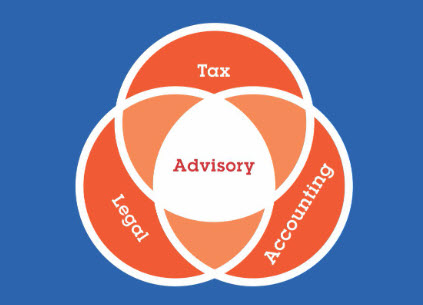
Transactional Planning requires legal, tax, accounting, financial, and business considerations to be evaluated in relation to one another. That is difficult to accomplish when each discipline operates independently and the client is left to coordinate different professionals, different recommendations, and potentially different objectives.

Janathan L. Allen, APC provides the legal component of this work, including entity structure, contracts, transactions, business matters, asset protection considerations, and the legal issues associated with domestic and international planning. Allen Barron, Inc. provides integrated tax, accounting, and business advisory services that help clients understand the financial and tax consequences associated with those decisions.
The value of this structure is not simply that legal, tax, accounting, and business services are available in one place. It is that these disciplines can inform one another while important decisions are being evaluated and the transactional plan is being developed.
Accounting information can provide insight into how a business, investment, or existing structure is actually performing.
Tax analysis can identify consequences and planning opportunities associated with income, losses, ownership, timing, and geography.
Legal analysis can address entities, contracts, liability, ownership, transactions, and the implementation of the resulting structure.
Business considerations remain connected to the client's underlying objectives throughout the process.
Janathan Allen developed Transactional Planning from this integrated perspective. The purpose is not to create complexity or force every client into the same planning model. It is to understand the client's circumstances and objectives, bring the relevant disciplines together, and develop a structure appropriate for the businesses, investments, assets, transactions, risks, and opportunities involved.
For the client, the result is a coordinated approach to the entire transaction: understand what you have, determine what you are trying to accomplish, evaluate the legal, tax, accounting, financial, and business consequences, and structure the plan around those realities.
You Need Experienced Insight, Structure and Counsel as You Approach Transactional Planning
 Janathan L. Allen has decades of experience advising businesses, business owners, investors, families, and individuals whose legal, tax, accounting, financial, and business interests intersect.
Her experience includes business and entity formation and structuring, contracts and transactions, mergers and acquisitions, domestic and international tax planning, asset protection considerations, business advisory matters, and the legal and tax issues associated with substantial domestic and international assets and investments.
Janathan developed the concept of Transactional Planning to bring these disciplines together around the client’s actual objectives. Working through Janathan L. Allen, APC and Allen Barron, Inc., she helps clients evaluate what they presently own, how it is structured, the risks and financial consequences involved, and what they intend to accomplish next.
Transactional Planning provides an opportunity to make these decisions while meaningful choices may still be available—to protect what you have built, minimize unnecessary tax exposure, preserve flexibility, and structure future transactions around the larger plan rather than addressing their consequences after the fact.
Allen Barron also assists clients who are planning ahead, seeking to come into compliance, or addressing international tax concerns before they become larger disputes. Tax planning, voluntary compliance, offshore reporting, expatriate tax issues, international investments, and cross-border business activities often benefit from early, coordinated guidance. Taking the right steps now may help reduce exposure, preserve options, and prevent avoidable tax, legal, accounting, and financial consequences.
The initial consultation is a complimentary, substantive, confidential discussion designed to help you better understand your current position, the issues that may require immediate attention, and the strategies that may help protect your financial and business interests moving forward.
You are invited to engage the chat module on this page, contact Allen Barron, or call (866) 631-3470 to schedule a free, substantive consultation.
Learn more about Janathan L. Allen, APC and Allen Barron’s integrated tax, legal, accounting and business consulting services and how an integrated approach may help identify risk, protect assets, reduce unnecessary exposure, and support your long-term business and financial objectives.